Retired Paramedic: "I Was Handed the Family First-Aid Kit a Hundred Times. It Never Once Had What the Patient Needed."
Published: 3 days ago (November 18, 2026) | 11 min read | Consumer Safety Reporter: Paul Brennan | Home & Family Safety Division
After twenty-five years answering 911 calls outside Dayton, a retired paramedic says the box most families trust is built for injuries that were never going to kill anyone. Here is what he says actually belongs within reach in every American home.
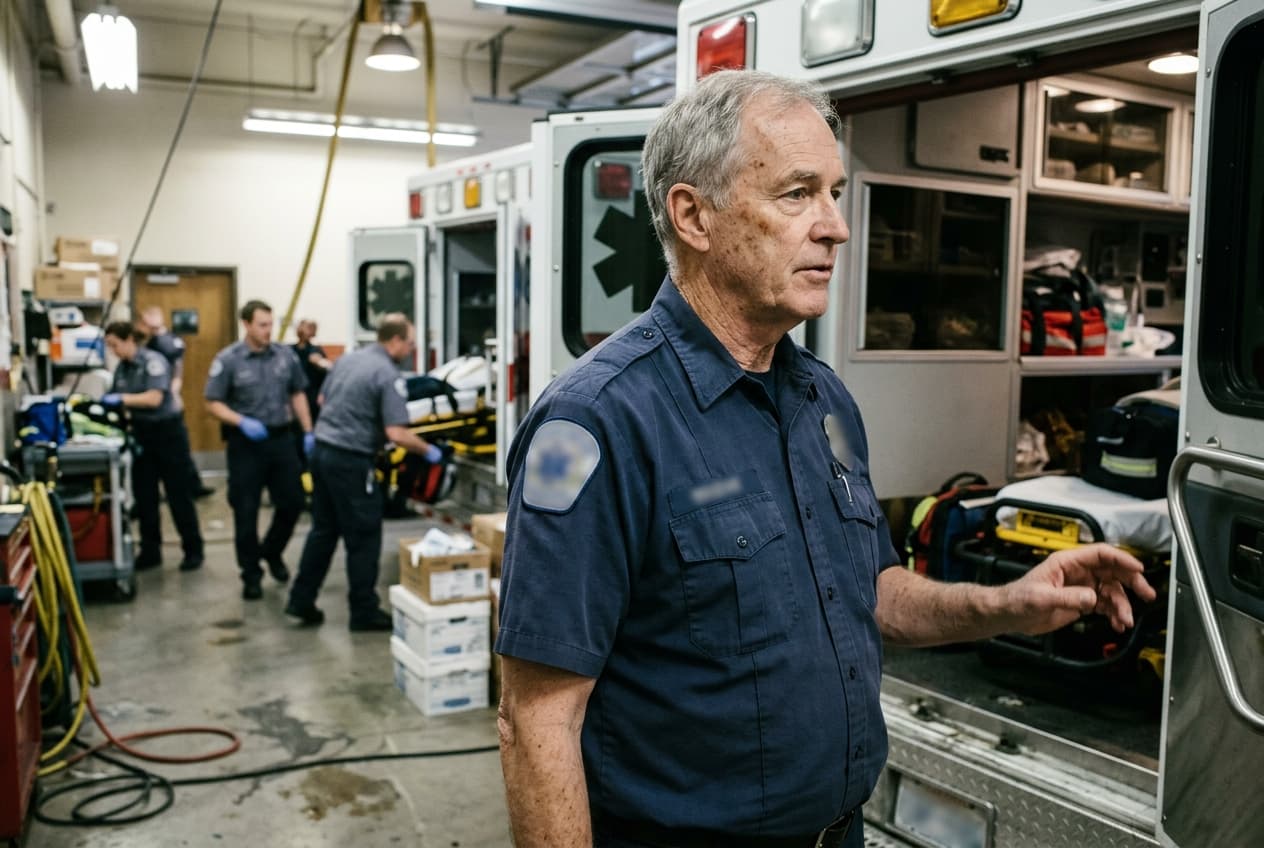
DAYTON, Ohio: Ray Kowalski can tell you what is inside the average American first-aid kit without opening it. For twenty-five years, people kept handing him theirs.
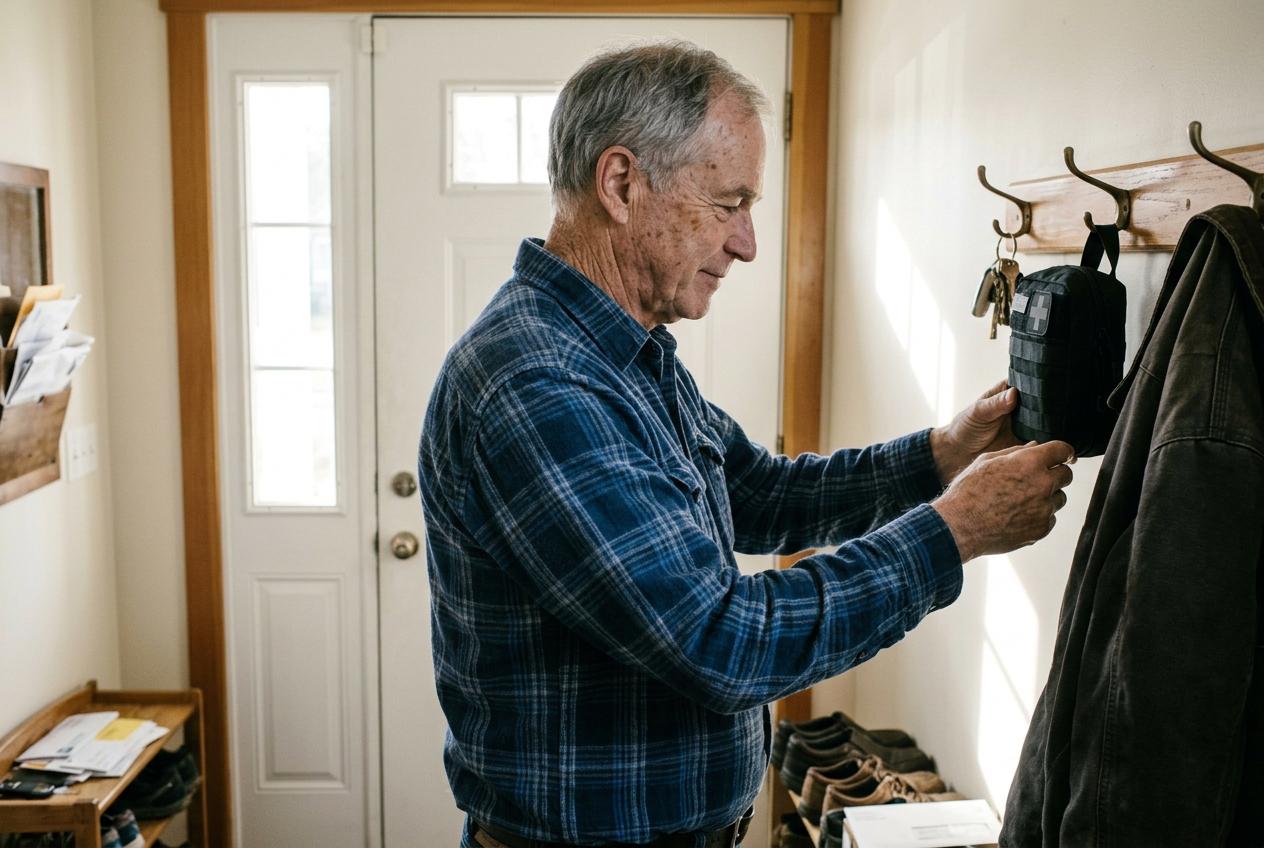
Kowalski spent those years as a paramedic and field training officer for a county EMS service in southwest Ohio, where the most serious calls ended at a Level I trauma center. When we sat down hanging the kit by his front door, he didn't want to talk about the worst injuries he'd seen. He wanted to talk about a smaller moment that repeated for two and a half decades: the moment a family meets the ambulance at the door.
"It happens more than you'd think," he says. "Somebody meets you on the porch holding the family first-aid kit, because it's the only medical thing in the house and they want to help. I'd thank them, set it on the counter, and open my own bag. In twenty-five years, I must have been handed that kit a hundred times. Not once was there anything in it for the job in front of me."
That sentence is worth reading twice, because it is not an insult to those families. It is, he argues, a design fact about the box, and the most dangerous misunderstanding in the American home. To show me what he meant, he told me about one call.
The call he couldn't stop thinking about
The call Kowalski still turns over came on a Saturday afternoon in late spring. A man in his fifties had been cutting deck boards in his garage when the circular saw kicked back and caught him high on the inside of the arm. It was the kind of wound, Kowalski says, where the clock starts immediately.
The man's wife was kneeling on the garage floor, pressing a rolled-up sweatshirt against his arm with both hands. Open on the workbench beside her was the family first-aid kit.
"She had done everything right," he says. "She called fast. She pressed hard. She got out the kit they'd owned for ten years. And the kit gave her nothing. Adhesive bandages. Antiseptic wipes. A tube of burn cream. Everything in that box assumed the injury was small."
Kowalski's partner controlled the bleeding in under a minute with a one-handed combat tourniquet, a piece of equipment that has been standard on ambulances for years. The man survived. What stayed with Kowalski was what the wife kept repeating on the way to the hospital: "We had a kit."
"She kept saying, 'We had a kit.' She believed that box had her family covered. Almost every home I ever walked into believed the same thing."
The gap nobody warns you about
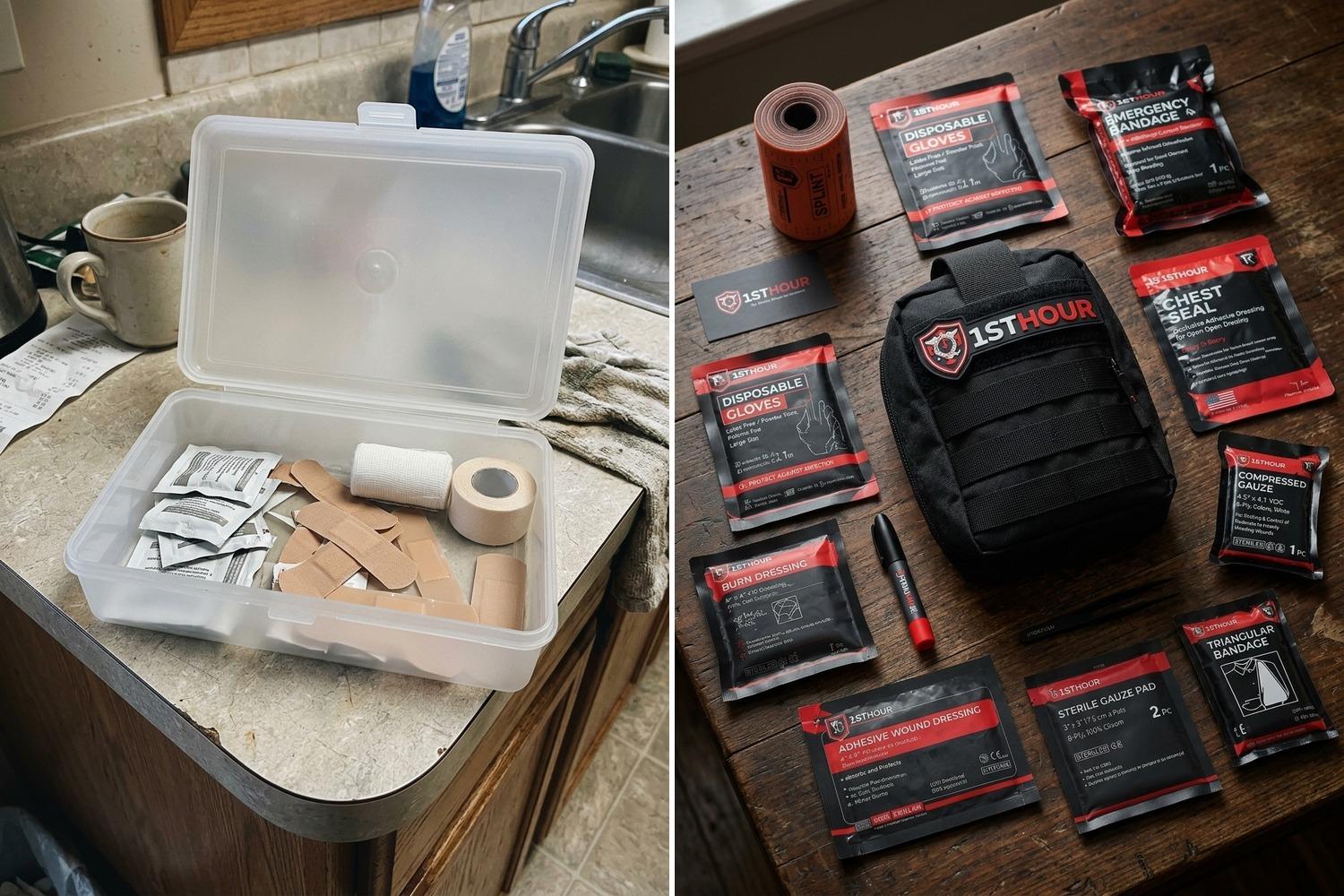
Here is the part Kowalski wants every family to understand: the kit in your hallway closet is not lying to you. Pick it up and read the label. It will say something like "minor cuts, scrapes and burns." It is a perfectly honest product for what it is.
The problem is what happens in our heads. We buy the kit, put it on the shelf, and quietly file the entire subject under handled. "First aid" starts to mean "emergencies." But the injuries that kill people in the first minutes (arterial bleeding, deep lacerations, crush injuries) call for a different category of equipment entirely. Trauma equipment. And almost no American home has any of it.
Kowalski started saying this out loud after he retired. He said it to neighbors, to his church group, to anyone who asked what a paramedic actually keeps at home. Interest has a way of traveling. This reporter's inbox now includes questions from readers across Ohio asking some version of the same thing: if the box on my shelf is for small injuries, what is supposed to be in my house for the big ones?
Limited-time discount for new customers.
(Count your places: the kitchen, each car, the pack. Shipping is free, too.)
Rated 4.8/5 by verified buyers
Check Availability >>The numbers he wants every family to sit with
Kowalski does answer that question. But he insists the numbers come first, starting with one his profession knows well and most families have never heard. According to the American Red Cross, citing CDC data, 59% of deaths from injury may have been prevented if first aid had been given before emergency medical services arrived.
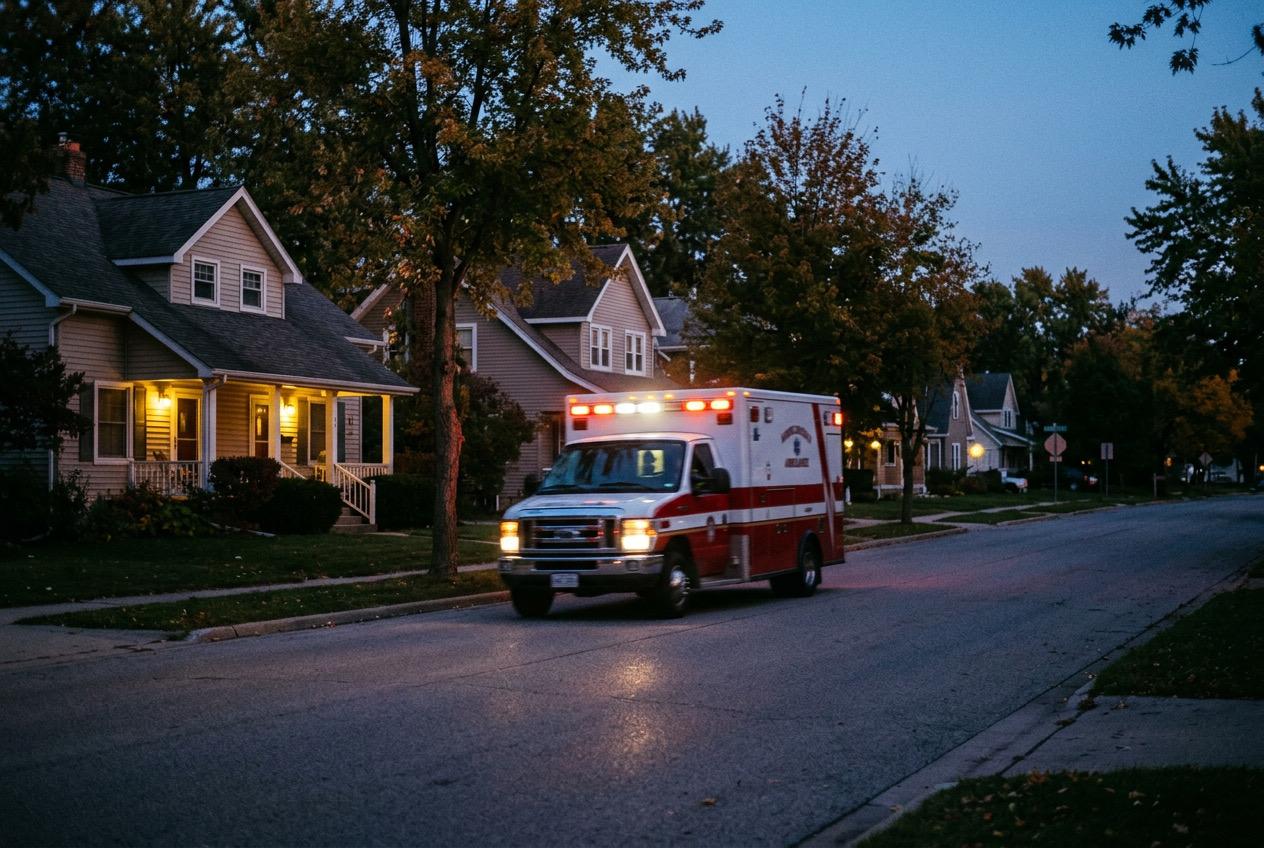
Then put that next to the clock he lived with for twenty-five years. His service covered city streets and rural townships, and even a textbook response takes time. About seven minutes on a good run in town, he says. Fourteen or more out in the townships, and longer when weather or a second call got in the way. Kowalski is quick to defend the people on the rig. Every crew he worked with moved as fast as physics allowed. But severe bleeding does not wait for physics. A bad arterial bleed can overwhelm a person in just a few minutes.
Kowalski has his own name for that stretch between the phone call and the ambulance: the empty minutes. "Not empty of people," he says. "There was almost always somebody right there, willing to help. I mean empty of anything to work with."
Which means the first minutes of the worst day of a family's life belong to whoever happens to be standing in the room. The only question is what that person has within reach.
What he keeps instead
Ask Kowalski what belongs in a home for the big ones and he does not start with a product. He starts with three jobs: stop severe bleeding, protect the wound, and keep the person stable until the ambulance arrives.
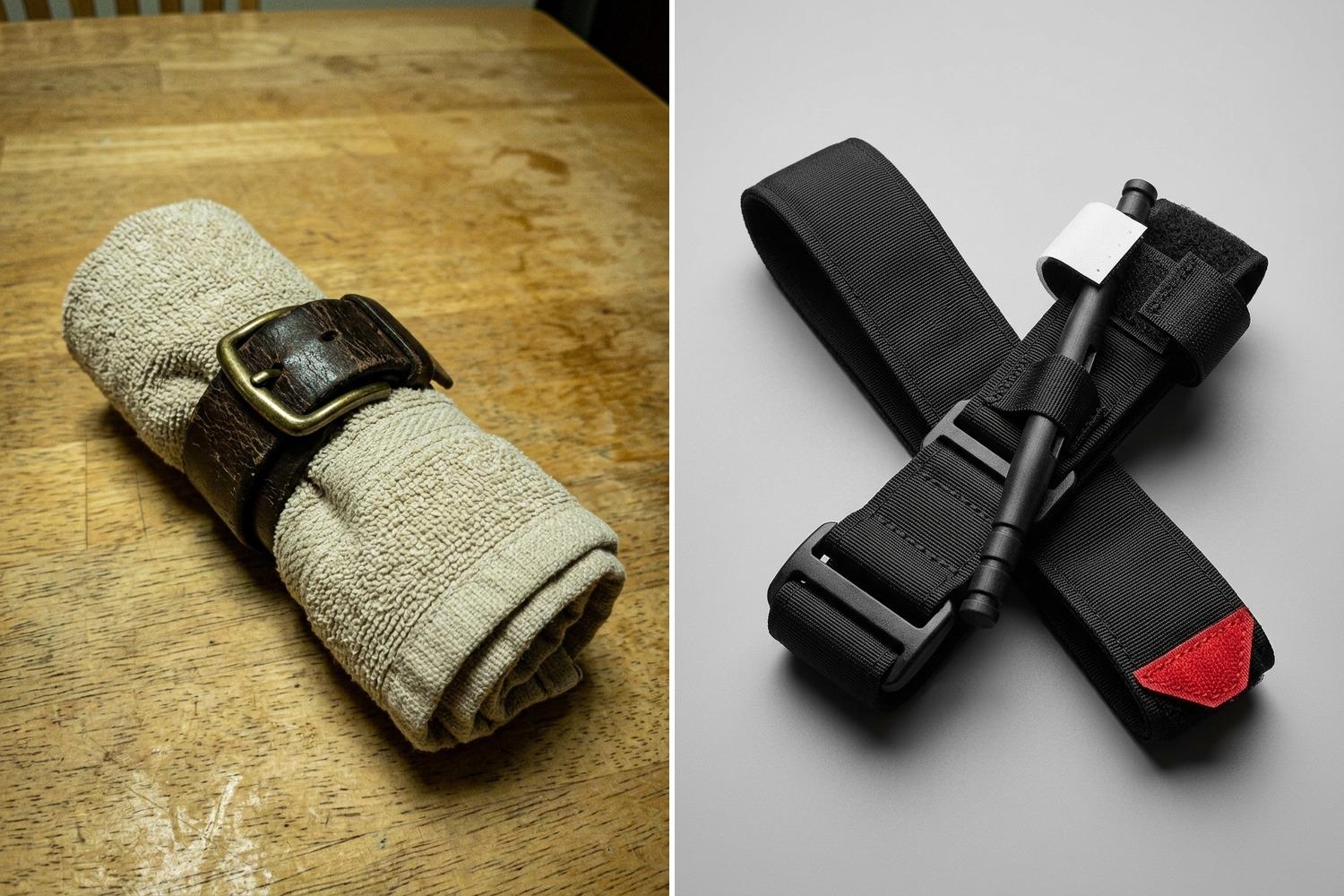
For the first job, the tool professionals reach for is a combat tourniquet, the modern one-handed kind with a rigid bar you twist until the bleeding stops. He is blunt about the improvised alternatives people imagine using, the belts and shirtsleeves and shoelaces. In his experience they fail when it matters most, and the military largely abandoned improvised tourniquets two decades ago.
For wounds where a tourniquet isn't the answer, there is the Israeli bandage (a pressure dressing developed for battlefield medicine, designed so that a frightened, untrained person can wrap it correctly on the first try) and compressed gauze for packing a deep wound. None of this is exotic anymore, he says. It rides on every ambulance in America. It just never made it into the family medicine cabinet.
The test he ran on me
Before I left, Kowalski did something I suspect he does to every visitor who lingers on the subject. He unzipped the pouch he keeps by the front door, took out the tourniquet, and set it in front of me. "Show me," he said. "You've never touched one. Use the instructions."
I am a reporter, not a medic, and it was not graceful. I read the printed steps off the packaging, worked the band up my arm one-handed, and turned the bar until Kowalski nodded. A little over a minute, most of it spent reading. On a second try, it took about twenty seconds.
"That's the whole argument," he said, sliding it back into its loop. "First try, kitchen table, no training. The steps are on the gear." Then he had me attempt the same job with my belt. I could not make it hold tension with two hands and all afternoon, and we both knew nobody gets all afternoon.
The 82-piece kit he points people to
For years, Kowalski's answer to "so what should I buy?" was a shopping list, and he watched the list defeat people. Sourcing a real tourniquet, a real pressure dressing, and real compressed gauze one item at a time is confusing, and the market is full of lookalike gear he would not stake a life on.
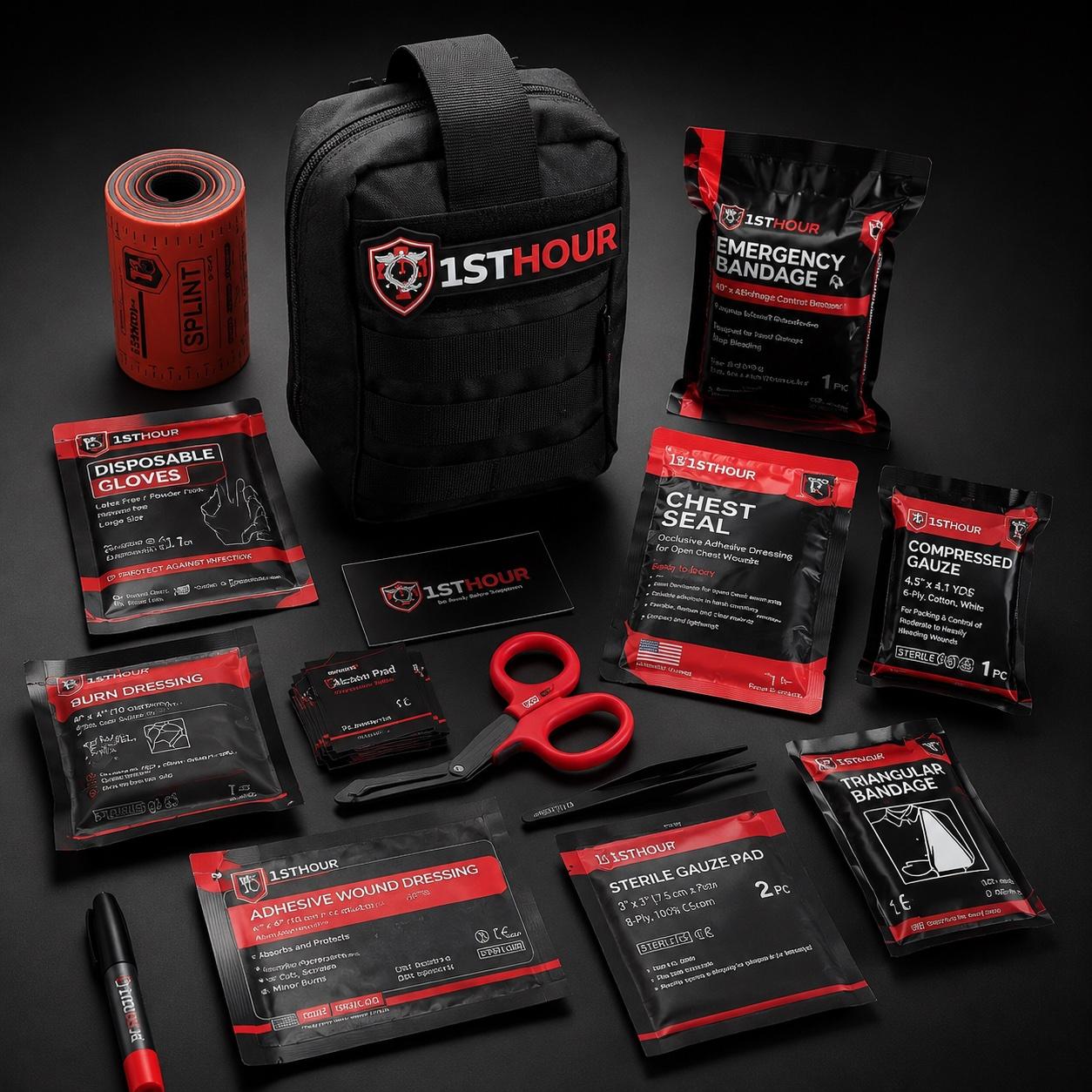
These days he points people to a ready-made option: the 1stHour Trauma First Aid Kit, an 82-piece kit built around exactly the equipment he spent his career using (the one-handed combat tourniquet, the Israeli bandage, compressed gauze). Around those it packs everything from a splint roll, EMT scissors, an emergency blanket, and a CPR mask down to the ordinary supplies for ordinary days, adhesive bandages included. The company's name is its argument. What happens in the first hour, and especially in the empty minutes, decides how these stories end.
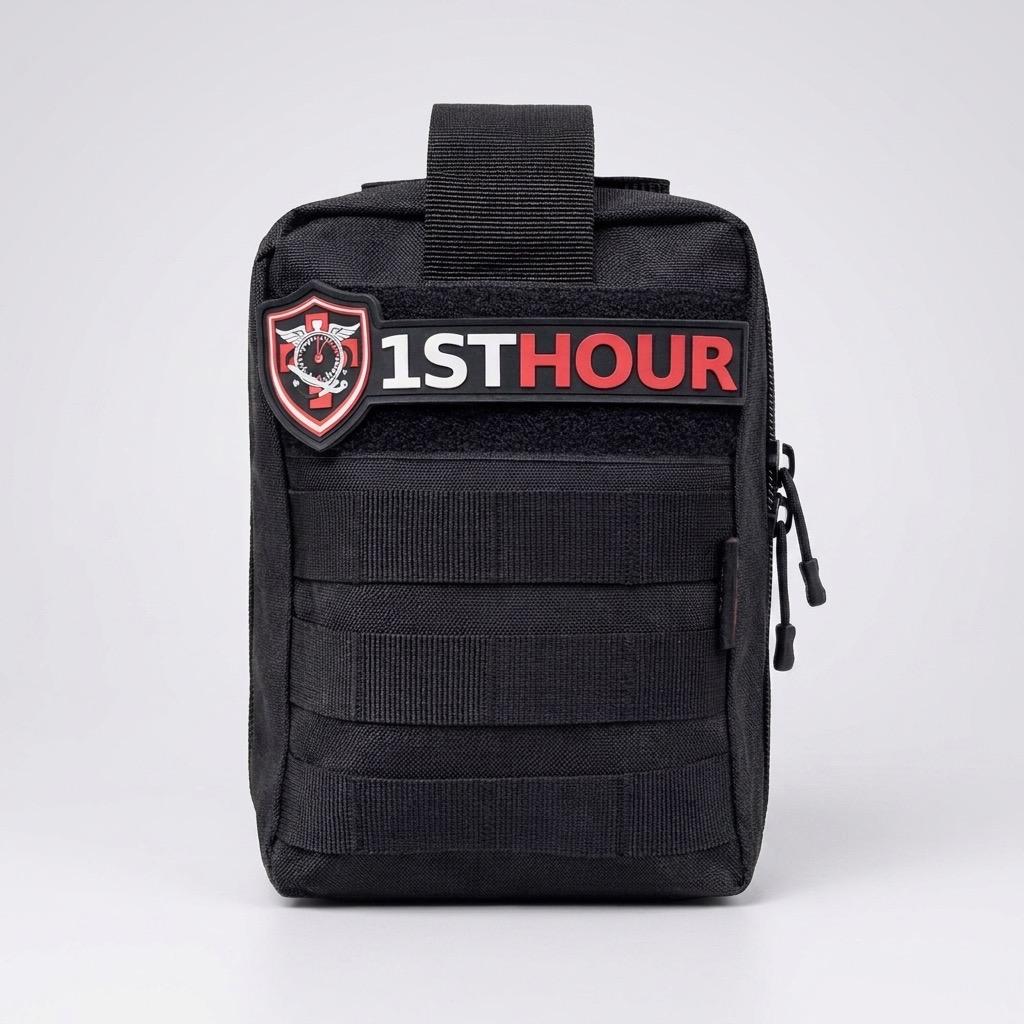
Two design details matter more than the piece count, in his view. The kit is organized (pockets, loops, and pouches that put each item where a stressed pair of hands can find it fast), and every item carries plain instructions on its packaging, so the person holding it is never guessing. The whole thing packs into a compact, military-style black MOLLE pouch that fits a glove box, a kitchen drawer, or a go bag.
See If the Kit Is Still Available, Risk-Free
Every order is covered by the 30-Day Money-Back Guarantee. Try it for a full 30 days, and if it doesn't make your home feel readier, send it back and get every dollar back.
4.8/5 from verified buyers
Check Availability Now⚠ Stock Update: Due to high demand following recent media coverage, current inventory is limited. Orders are fulfilled on a first-come, first-served basis.
"I wouldn't know how to use any of it"
It is the objection Kowalski hears most, and the one he pushes back on hardest, not because it's foolish, but because he says it is exactly backwards.
"People think this gear is for experts," he says. "It's the opposite. The gear exists because nobody is an expert at ten o'clock on a Tuesday night when it's their husband on the garage floor. The tourniquet has one job and a printed set of steps. The bandage has one job and a printed set of steps. You read, you follow, you buy the minutes. The person who reads the instructions right there in the moment does about as well as the person who took a class years ago and has been forgetting it ever since."
That, he says, is the real reason to own equipment designed for untrained hands: not to replace the professionals, but to still be doing something useful when they pull up.
The Practical Benefits That Matter Most
Set the worst-case stories aside for a moment. Here is what the kit actually gives a household, point by point.
Everything Has Its Place: Pockets, loops, and pouches keep all 82 pieces organized, so a stressed pair of hands can find the right item fast instead of digging through a jumble.
The Instructions Are Printed on Every Item: Each piece carries plain step-by-step directions on its packaging. Untrained hands read and follow. Nobody has to remember a class they never took.
One Kit Covers Big and Small: The 82 pieces run from the serious tools (combat tourniquet, Israeli bandage, compressed gauze, splint roll) to the everyday supplies families reach for most, adhesive bandages included.
Compact Enough to Live Within Reach: The black MOLLE pouch fits a glove box, a kitchen drawer, or a go bag, so it can sit where the household actually is instead of buried in a closet.
A 30-Day Money-Back Guarantee: Try it for a full 30 days. Keep it, or send it back within 30 days and get every dollar back.
Free Shipping From the Official Page: Shipping and handling are free, and because the kit is not sold in stores, ordering through the official page is also how you know the gear is genuine.
"I keep one in the truck and one in the kitchen now. Everything has its own pocket and the instructions are printed right on each item. I hope I never open it for real, but I'm done pretending a box of adhesive bandages is a plan."
 - Dennis W., Knoxville, TNVerified Buyer
"My husband and I are in our sixties and the grandkids are here every weekend. We had nothing in this house for a serious injury and I knew it. It arrived quickly, it's well made, and it sits right where I can reach it."
 - Carol H., Green Bay, WIVerified Buyer
"First-aid kits usually bury the one thing you need. When my hiking partner rolled her ankle badly last month, I had the splint roll and wrap on in a couple of minutes, first try. That was the moment this thing earned its spot in my pack."
 - Mike R., Prescott, AZVerified Buyer
What Real Users Are Saying
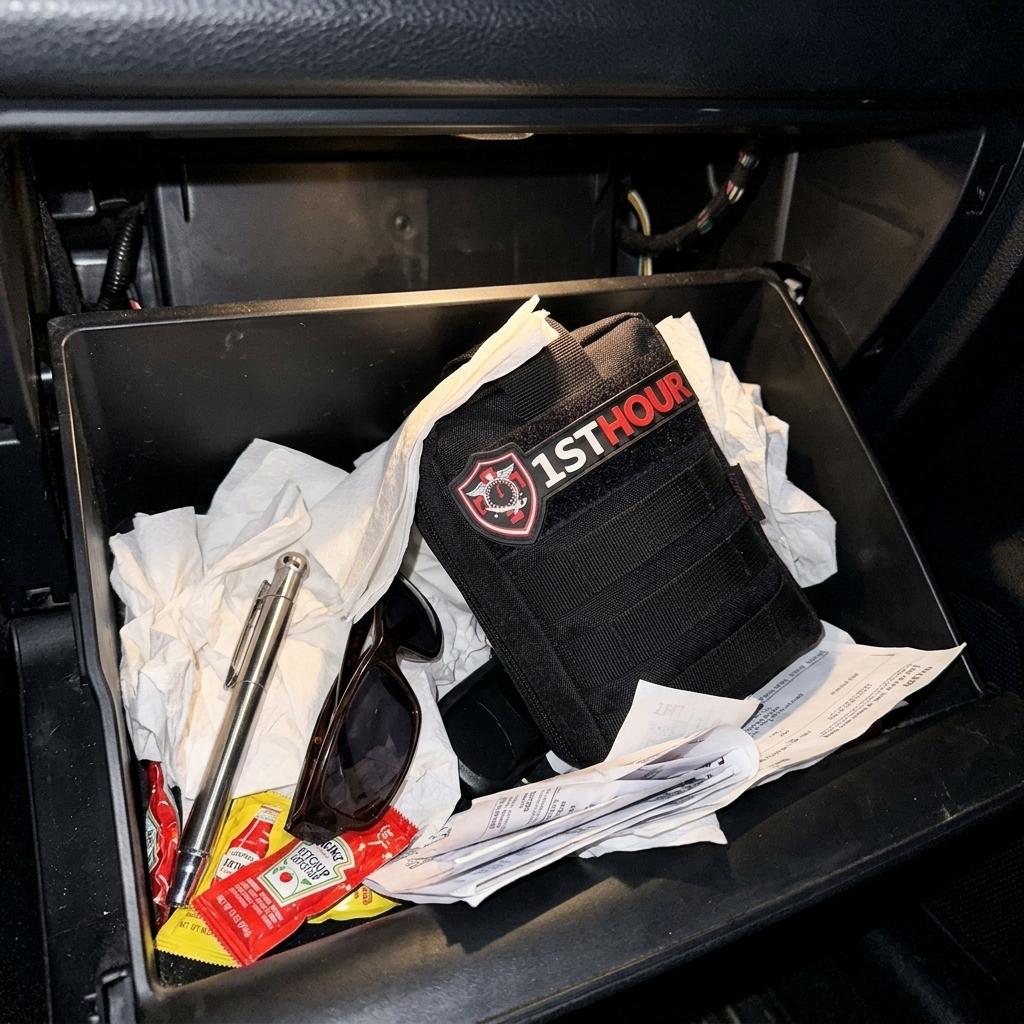
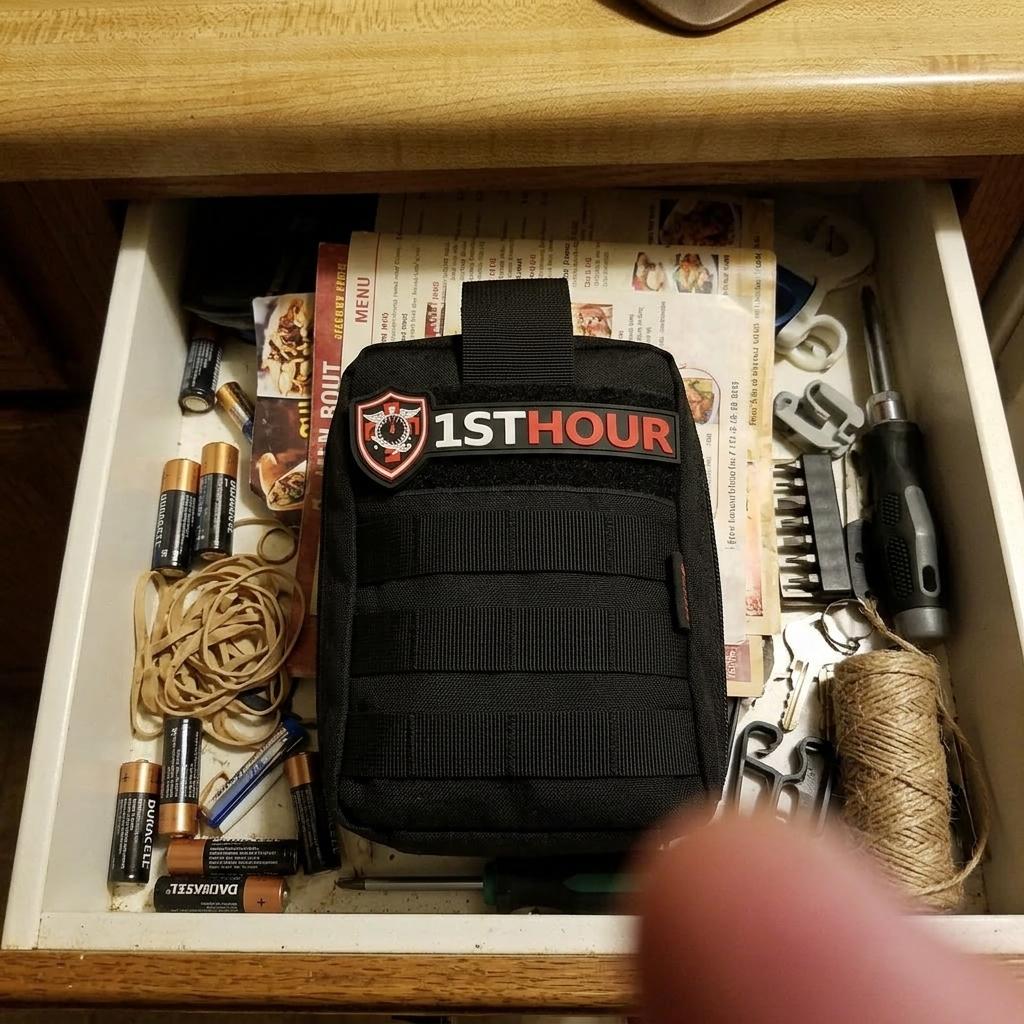
Owners tend to photograph the same thing: where the kit lives. Glove boxes, kitchen drawers, packs, trucks, boats.
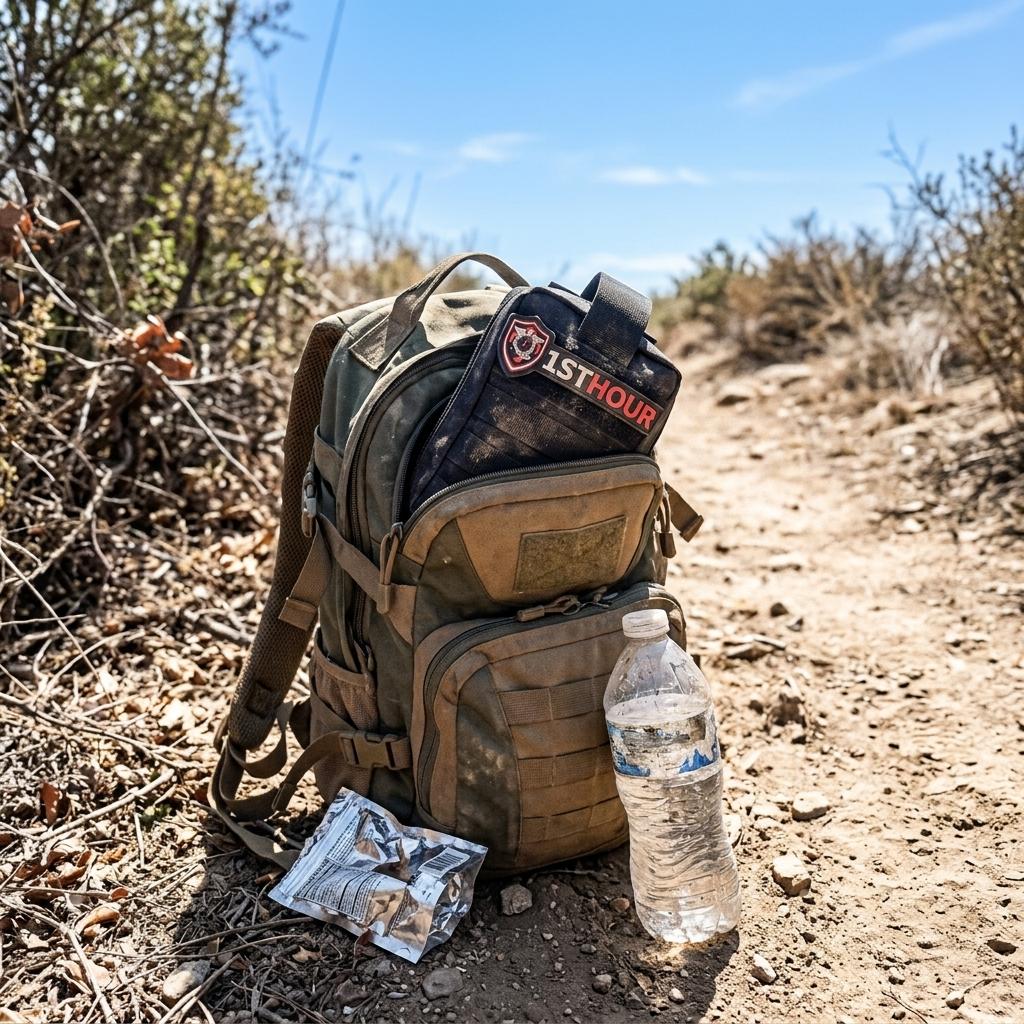
58,000+ Kits in American Homes
The same 82-piece kit families kept buying before it carried the 1stHour name
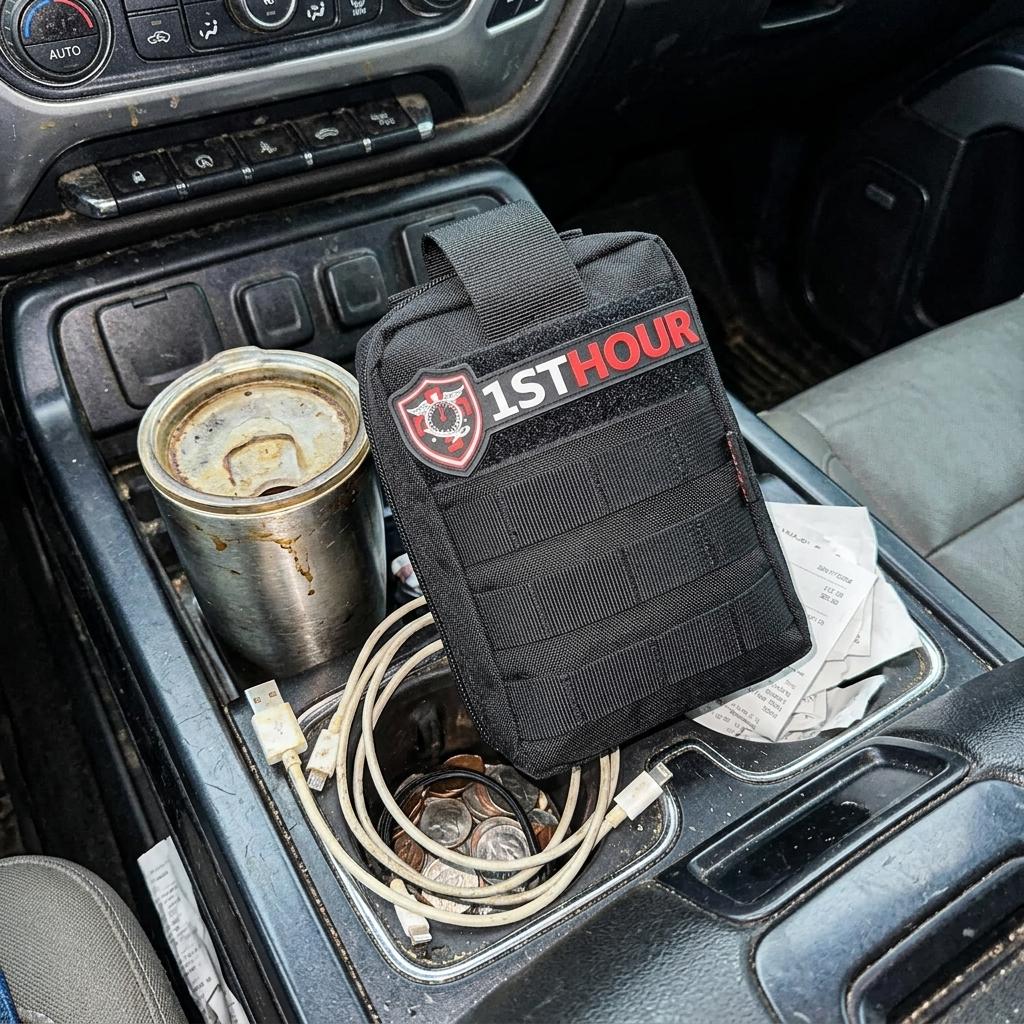
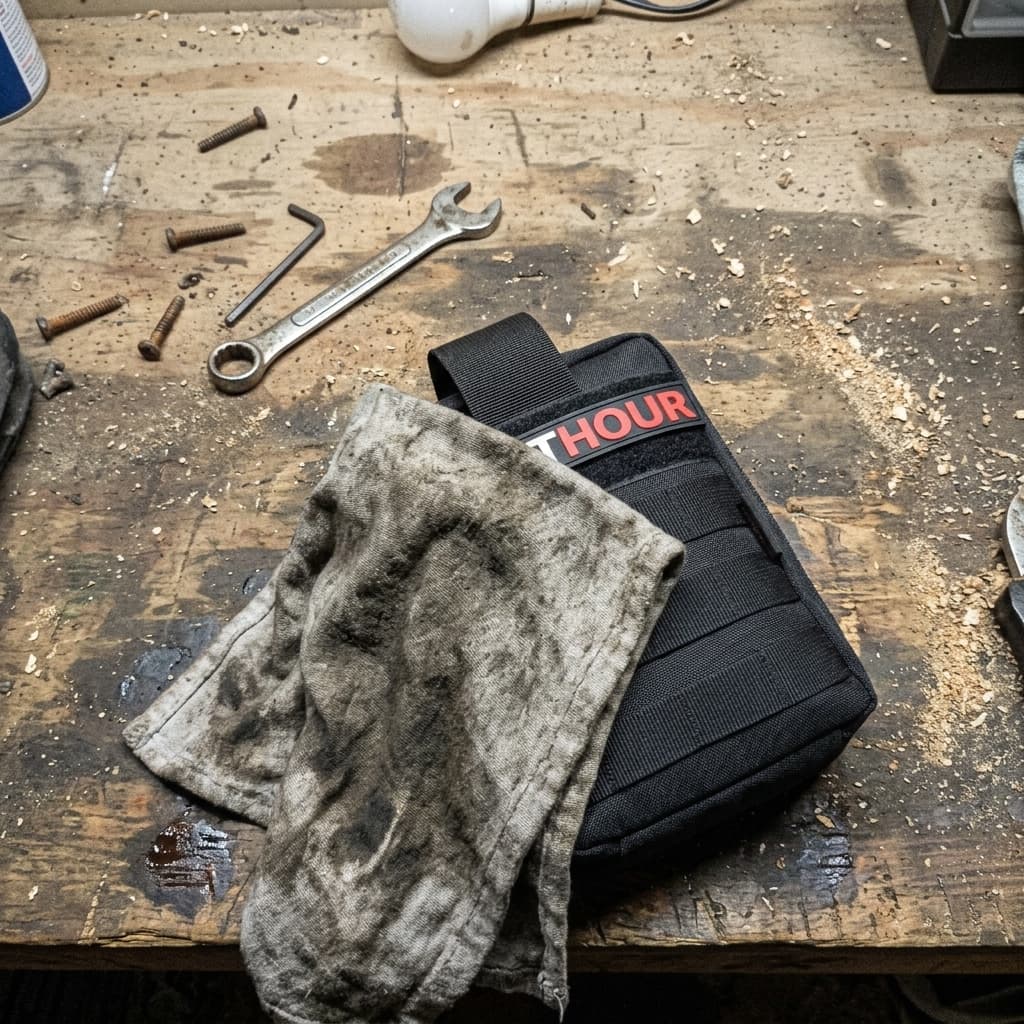
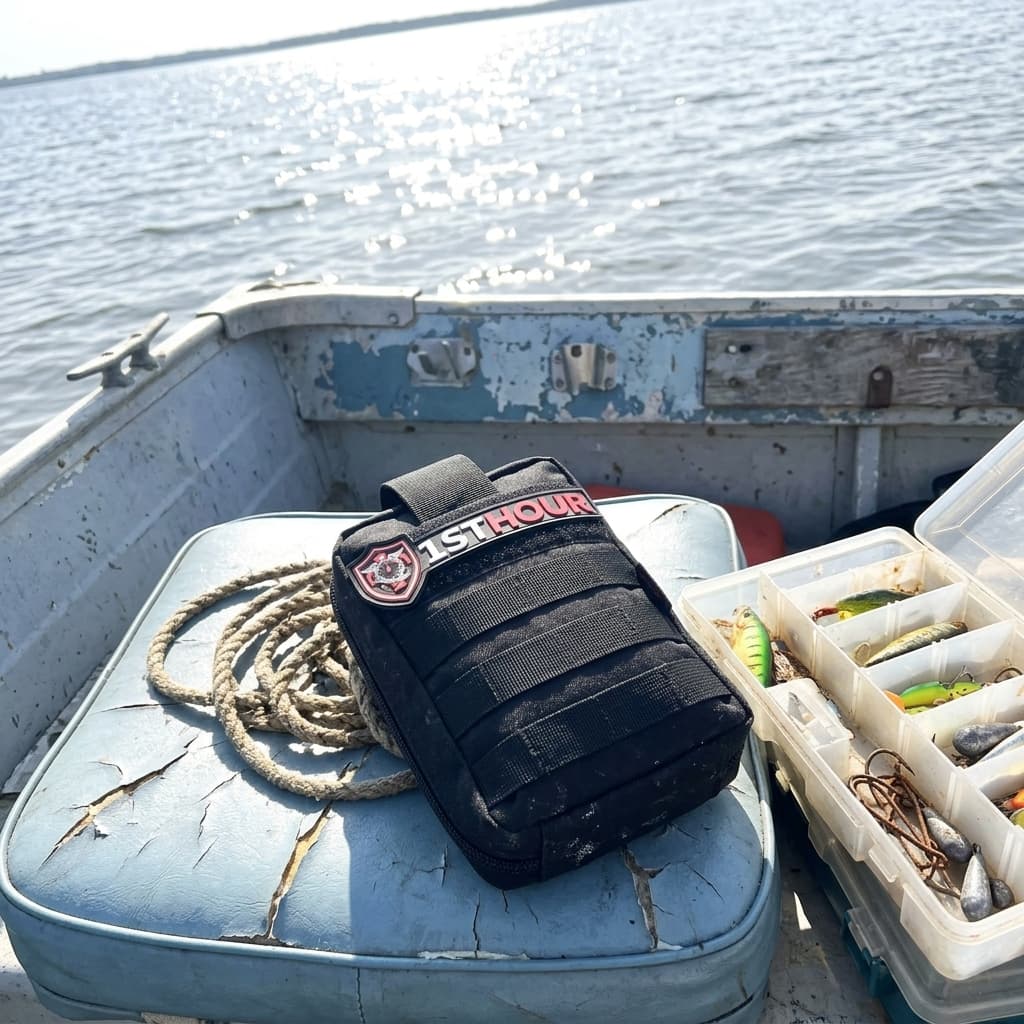
SELLING FAST: The previous batch of kits sold out in less than 2 days. Current availability is shown live on the official order page.
"Shouldn't this be left to the professionals?"
I put the question to Kowalski directly: after twenty-five years of professional medicine, is he comfortable telling ordinary families to keep trauma equipment by the front door?
"We are coming as fast as we can," he says. "Every crew I ever worked with would drive through a wall to get there. But I have stood in too many kitchens and garages during the empty minutes. Somebody is already there. The only question is whether the house gives them anything to work with."
Then he said the thing I haven't been able to stop thinking about since. "Nobody freezes because they're weak. People freeze because they have no job to do. Put the right equipment in the room, and you've given them the job."
Which leaves the question of what it costs.
IMPORTANT: The manufacturer currently offers the 82-piece kit for $59 (60% off the $149 retail price) with free shipping and handling, through its official order page. Availability for the current batch is shown live on that page.
"Eighty-two pieces for $59. What's the catch?"
An 82-piece trauma kit for $59, marked down 60% from the $149 retail price, sounds like the kind of offer a careful person has learned to distrust. Kowalski likes the suspicion. In a category with a real counterfeit problem, he says, suspicion is the correct instinct.
His advice is to ignore the piece count entirely when judging any kit, this one included. "Count to three," he says. "Tourniquet, pressure bandage, packing gauze. If those three are real, the kit is real." The three in this kit, he told me, are the designs he spent a career reaching for.
For everything past those three, his answer to skeptics is the guarantee. Order the kit and put your hands on it. Judge the tourniquet yourself, the way he had me judge it hanging the kit by his front door. If it earns a place in your house, keep it. If it doesn't, send it back within 30 days and get every dollar back.
See Today's Reader Price
The $59 price (60% off the $149 retail) is applied on the official order page while the current batch lasts. Shipping and handling are free.
Rated 4.8/5 by verified buyers
Check Availability Now⚠ Stock Update: Due to high demand following recent media coverage, current inventory is limited. Orders are fulfilled on a first-come, first-served basis.
Yes, every order is covered by the 30-Day Money-Back Guarantee. Ships free from the USA.
What he wishes families knew sooner
Here is the detail from our conversation that surprised me most. For most of his career, Kowalski's own house was set up like everyone else's. The same drugstore box on the same closet shelf.
"I was the guy on the porch being handed that kit," he says. "Meanwhile my wife was home with the exact same box, and my equipment was on a truck across the county. It took me an embarrassing number of years to notice." He fixed it long before he retired. But he thinks about that gap every time a family asks him why nobody told them any of this sooner.
That is the part he wants readers to hear while it is still a boring Tuesday. Every prepared family he knows became prepared after something. After the neighbor's accident. After a scare in their own garage. After a story like this one. What he wishes, he says, is that just once somebody would do it a week early, for no reason at all, and never find out what they were early for.
Reader Questions
I have no medical training. Could I really use any of this?
The kit is built for untrained users. Every item carries plain instructions on its packaging, and the pouch is organized with pockets and loops so the right item can be found quickly, even under stress. You read the steps and follow them. The instructions are the training.
What exactly is in the kit?
82 pieces in a compact black MOLLE pouch, including a one-handed combat tourniquet, an Israeli bandage, compressed gauze, gauze rolls, a splint roll, EMT scissors, a triangular bandage, an ABD pad, an emergency blanket, a CPR mask, burn gel, medical tape, PVC gloves, iodine pads, adhesive bandages, a knife, and more.
How big is it, and where should I keep it?
The whole kit packs into a compact black MOLLE pouch that fits a glove box, a kitchen drawer, or a go bag. Kowalski's advice is to keep it where the household actually happens: the kitchen, the car, near the garage.
How much does it cost?
The official order page currently offers the 82-piece kit for $59, which is 60% off the $149 retail price, with FREE shipping and handling. Availability for the current batch is shown live on that page.
What if I order it and change my mind?
Every order is covered by a 30-Day Money-Back Guarantee. Keep it, or send it back within 30 days and get every dollar back.
Is it sold in stores?
The kit is sold only through the official order page linked in this article. Counterfeit trauma gear is common on third-party marketplaces, and with this category of equipment, authenticity is a safety issue.
How to get one before you need it
The 1stHour Trauma First Aid Kit is sold only through its official order page, which shows live availability and the current $59 reader price (60% off the $149 retail price) with free shipping and handling. You can check availability on the official order page here. Every order is covered by the 30-Day Money-Back Guarantee. Keep it, or send it back within 30 days and get every dollar back.
AUTHENTICITY WARNING: Counterfeit trauma gear has become common on third-party marketplaces, and with equipment like tourniquets, a lookalike that fails is worse than nothing. The genuine 82-piece 1stHour Trauma First Aid Kit, its $59 reader price, and its 30-Day Money-Back Guarantee are available only through the official order page linked in this article.
One for the house, one for the glove box
There is a pattern in how people buy this kit, and Kowalski has stopped being surprised by it. Almost nobody stops at one. One verified reviewer wrote of ordering "3 more, 1 for each car" after the first kit arrived.
Kowalski's arrangement is the same idea. One pouch sits inside his front door and one rides in his truck, because a kit in the hallway does nothing for the mishap at the cabin or the crash two cars ahead of you. His rule is to put one wherever your family spends its hours. The pouch was built for it, small enough for a glove box, a kitchen drawer, or the pocket of a go bag.
The order page prices the habit accordingly. One kit is $59 today. Two come down to $56.95 each, three to $49.95 each, and five to $49 each.
His recommendation for households over 50
Kowalski is in his mid-sixties, and he is direct about why he pushes this subject hardest on households his own age. The over-50 houses were where he took the calls that stayed with him. The grandkids visit more. The house is farther from town than the old apartment ever was. And many of the people he served, he adds, were on the everyday medications that make a bad bleed harder to stop.
He also knows how his generation was raised. Serious medicine belonged to professionals, and reaching for it yourself felt like overstepping. Twenty-five years of arriving second changed his mind about where that line sits. "The crew wants to walk in and find somebody already doing the simple thing," he says. "That's not overstepping. That's the head start we were always hoping for."
So his recommendation for readers over 50 runs three sentences. Keep a real trauma kit within reach of daily life, the kitchen and the car before the hallway closet. Pick one quiet afternoon to read the printed steps on the tourniquet and the bandage, before anyone needs you to. And file the whole thing where you already file the fire extinguisher and the smoke alarm, as ordinary equipment for a house where people you love spend time.
His homework assignment for that reader is simple arithmetic. "Count the places you actually spend your days. The kitchen. Your car. Your spouse's car. The pack or the boat or the cabin. That number is how many kits your family needs, because the one in the hall closet cannot help you on Route 40." For most households over 50, he notes, the honest count comes to three or four.
See If It's Still In Stock
- 30-Day Money-Back Guarantee
- FREE Shipping and Handling
- 82-Piece Complete Kit
- Not Sold in Stores: Official Order Page Only
Rated 4.8/5 by verified buyers
Check Availability >>SELLING FAST: The previous batch sold out in less than 2 days.
His Final Advice
Kowalski ended our interview the way he apparently ends most conversations on the subject. "Go read the label on the kit you own tonight," he said. "It will tell you honestly what it's for. Then decide what you want within reach for everything the label leaves out."
I went home and read mine. It says minor cuts, scrapes and burns. My trauma kit arrived Thursday.
Comments
- Linda S.3 hours ago
Just went and read the label on the kit in our hall closet like he said. It literally says for minor cuts and scrapes. Thirty years in this house and I never once noticed.
Like · 41Reply - Bill T.7 hours ago
Retired firefighter here. The part about being handed the family kit at the door is real. Happened to me more times than I can count.
Like · 88Reply - Janet P.9 hours ago
Honest question, is the guarantee legitimate? I have been burned on mail order things before.
Like · 12ReplyFamily Safety TodayAuthorYes. Orders placed through the official page linked in this article are covered by the company's 30-Day Money-Back Guarantee. If you change your mind, send it back within 30 days for every dollar back. Keep your order confirmation email as your receipt.
- Roger M.1 day ago
My brother in law worked on an ambulance in Tennessee for years and says this same thing at every holiday dinner. Finally ordered one for the house and one for my truck.
Like · 36Reply - Karen D.2 days ago
Mine came this week. Better made than I expected, and every single item has the directions printed right on the package. I did not know that until I opened it.
Like · 27Reply - Doug W.2 days ago
Sent this to my wife. She thought I was overdoing it until she got to the part about the sweatshirt. We ordered two.
Like · 19Reply
Check Today's Availability
The $59 reader price (60% off the $149 retail) is applied on the official order page while the current batch lasts.
Rated 4.8/5 by verified buyers
Check Availability Now⚠ Stock Update: Due to high demand following recent media coverage, current inventory is limited. Orders are fulfilled on a first-come, first-served basis.